Dr. Riddhi D. Shah
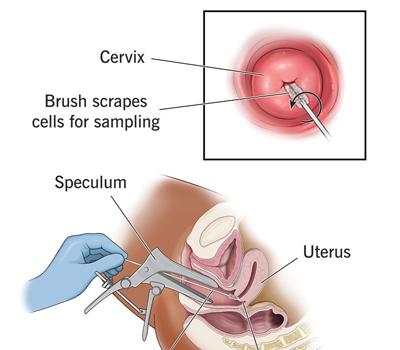
Pap smear and cervical cancer screening are essential preventive healthcare services that help detect abnormal changes in cervical cells before they develop into cancer. A Pap smear is a simple and effective procedure in which a small sample of cells is collected from the cervix and examined for abnormalities. Cervical cancer screening may also include HPV testing to identify infections caused by high-risk human papillomavirus strains associated with cervical cancer. Regular screening helps in early detection, timely diagnosis, and appropriate medical intervention, significantly improving treatment outcomes.
Women should follow recommended screening schedules based on their age, medical history, and healthcare provider's advice. The procedure is generally quick, safe, and minimally uncomfortable. Professional guidance, routine examinations, and awareness of cervical health play an important role in prevention. Regular screening empowers women to take proactive steps towards maintaining reproductive health and reducing the risk of cervical cancer.
Prevention is better than cure. HPV vaccination is one of the most effective ways to protect against several HPV-related cancers and genital warts.
Human Papillomavirus (HPV) is a common virus transmitted mainly through intimate skin-to-skin and sexual contact. Some types of HPV can cause cancer, while others can cause genital warts. Both women and men can get infected.
The HPV vaccine helps protect against the most important cancer-causing HPV types and is most effective when given before exposure to the virus.
HPV infection can lead to several types of cancer, including:
The vaccine also protects against HPV types responsible for most cases of genital warts.
HPV is not just a women’s health concern. Boys and men can also develop HPV-related diseases.
Vaccinating boys helps:
HPV vaccination is for everyone – not just girls.
We offer all three of the following HPV vaccines:
Gardasil 9 covers five additional cancer-associated HPV types compared with the quadrivalent vaccines.
HPV vaccination is recommended for:
Having multiple sexual partners increases the opportunity for exposure to different HPV types.
If you have had multiple partners, or anticipate new sexual partners in the future, HPV vaccination is worth discussing with your gynaecologist.
Even if you have already been exposed to one HPV type, vaccination may still protect you against other vaccine-covered types.
There is no judgement – HPV vaccination is about protecting your future health.
The number of doses depends on:
Your doctor will advise the appropriate dose schedule for you or your child.
Yes. Married women and sexually active adults may still benefit from vaccination, depending on their age and previous HPV exposure.
No. Routine HPV testing is not required before receiving the vaccine.
Yes, if you are eligible. The vaccine does not treat an existing infection but may protect against other HPV types.
HPV vaccines have a well-established safety record. Common side effects include temporary pain, redness or swelling at the injection site, mild fever, headache or dizziness.
No. Vaccination does not protect against every cancer-causing HPV type. Regular cervical cancer screening is still essential.
HPV vaccination is generally postponed during pregnancy. If pregnancy occurs after a dose, the remaining doses can be given after pregnancy.
HPV-related cancers are largely preventable through vaccination and appropriate screening.
Book your HPV vaccination appointment at Mumbai Gastro-Liver and Gynaec Centre.
All three vaccines – Cervavac, Gardasil 4 and Gardasil 9 – are available at our clinic.